Cursive Font for Wedding Invitations - Elegant Pairing Guide
Choose a cursive font for wedding invitations with 10 elegant styles, pairing tips, and a free calligraphy generator for names and details.
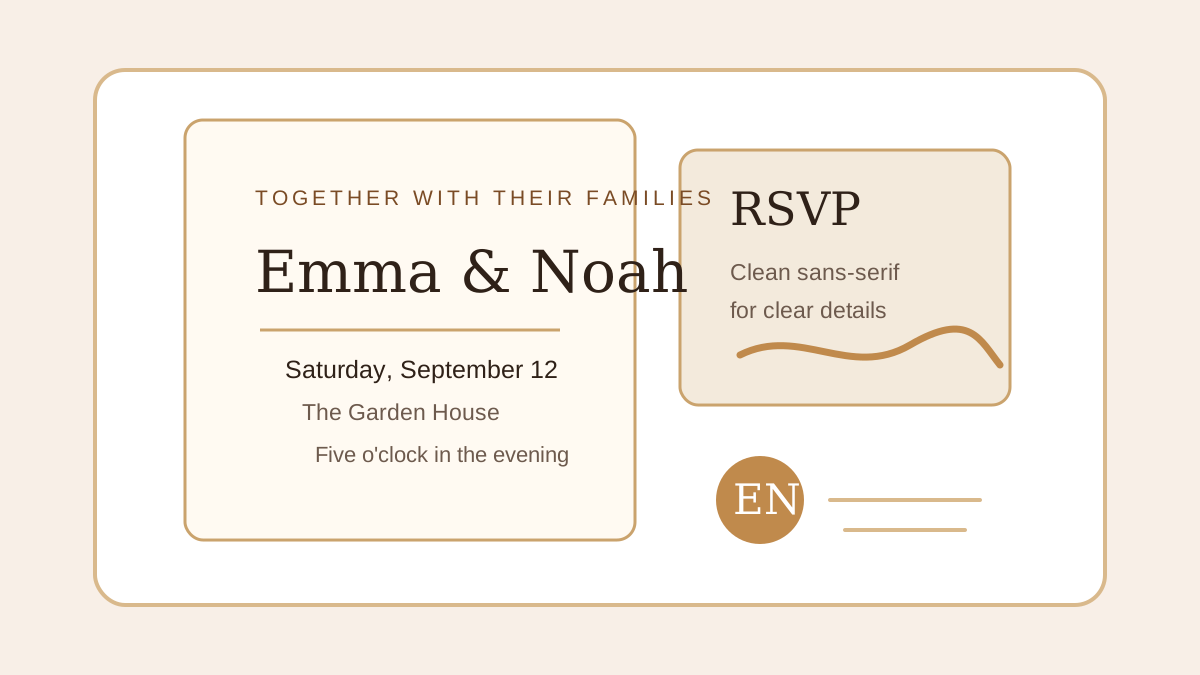
The right cursive font for wedding invitations should feel romantic without making guests work to read the details. Names can be expressive and decorative, but dates, times, venues, and RSVP instructions need clarity.
This guide shows which wedding cursive font styles work best, how to match them to your wedding style, and how to pair script with simple supporting type.
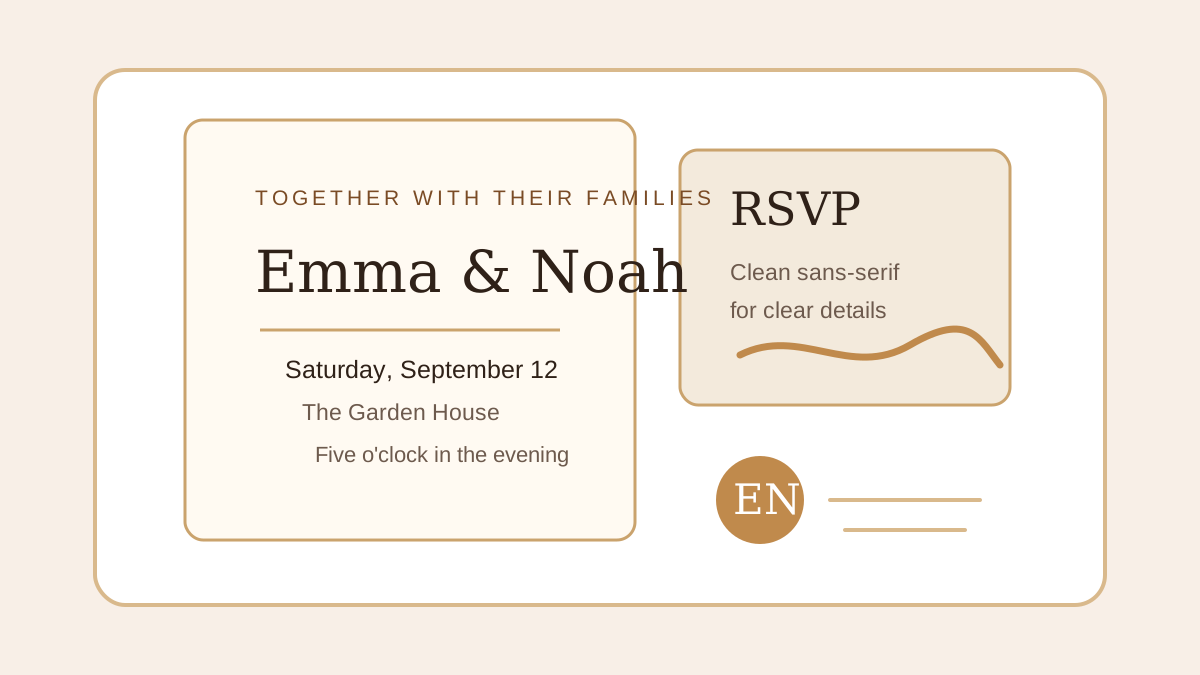
10 Best Cursive Fonts for Weddings
Use these styles as design directions. Test your own names and venue text before choosing.
1. Classic Calligraphy
Classic calligraphy is ideal for formal invitations, black-tie weddings, and traditional venues. It works especially well for couple names at the top of the invitation.
Best for: formal, church, ballroom, and evening weddings.
2. Modern Script
Modern script feels lighter and more relaxed than traditional calligraphy. It pairs well with clean layouts and white space.
Best for: contemporary hotels, gallery weddings, and minimalist stationery.
3. Romantic Spencerian
Spencerian-inspired cursive brings fine loops, graceful slant, and a timeless handwritten feeling.
Best for: garden weddings, historic homes, and vow-focused invitation suites.
4. Soft Brush Script
Brush script has a warmer, handmade feel. It is less formal and more expressive.
Best for: rustic venues, outdoor receptions, and casual weekend weddings.
5. Fine Line Script
Fine line script looks delicate and airy. It works best when printed large enough and surrounded by simple typography.
Best for: detail cards, monograms, and elegant name headers.
6. Vintage Flourish Script
Vintage flourish script adds ornate capitals and decorative swashes. Use it sparingly so the invitation stays readable.
Best for: vintage, art deco, and old-world wedding themes.
7. Monoline Cursive
Monoline cursive uses one consistent stroke width. It is one of the most readable script options.
Best for: modern, simple, and budget-friendly printed invitations.
8. Handwritten Cursive
Handwritten cursive feels personal and intimate. It is less formal than calligraphy but more emotional than plain type.
Best for: backyard weddings, elopements, and personal vow cards.
9. Editorial Script
Editorial script has a polished, fashion-inspired look. It can make simple stationery feel premium.
Best for: city weddings, boutique hotels, and monochrome invitation sets.
10. Decorative Initial Script
Use decorative script for initials, monograms, or a single accent word. It should not carry every line of information.
Best for: envelope seals, return addresses, and invitation headers.
Try the Free Calligraphy Generator
Preview names, initials, and wedding phrases in elegant calligraphy styles before choosing your invitation typography.
Open free tool →Matching the Font to Your Wedding Style
Your font should support the mood of the event. Start with the venue, dress code, colors, and paper style.
Rustic
Choose soft brush script or handwritten cursive. Pair it with warm paper, natural textures, and simple supporting type.
Classic
Choose classic calligraphy or Spencerian-style cursive. Keep spacing generous and use script mainly for the couple names.
Modern
Choose monoline cursive or clean modern script. Use plenty of white space and a restrained color palette.
Vintage
Choose vintage flourish script or editorial script. Limit flourishes to headers, initials, or the main names so the layout does not feel crowded.
Pairing Cursive with Sans-Serif
Most wedding invitations should not use cursive for every line. Script is strongest as the accent font. A clean sans-serif can carry the details.
Use this simple hierarchy:
- Couple names: cursive or calligraphy.
- Date and venue: clean serif or sans-serif.
- Address, time, RSVP: readable sans-serif.
- Monogram or accent word: optional decorative script.
If every line is cursive, guests may miss practical details. Let the script create emotion, then let the supporting font do the work.
Try the Calligraphy Generator
Before you send files to a printer, preview the exact names. Some scripts look beautiful with short names but awkward with long names, double letters, or descenders.
Open the cursive calligraphy generator, type both names, compare multiple styles, and save the most readable options. You can also test initials in the cursive logo generator if you want a monogram for seals or signage.
Frequently Asked Questions
What is the best cursive font for wedding invitations?
Classic calligraphy is the safest formal choice, while modern script and monoline cursive are better for clean contemporary invitations.
Should the whole invitation be in cursive?
No. Use cursive for names, initials, or short accent text. Use a readable serif or sans-serif for dates, times, addresses, and RSVP details.
What font pairs well with cursive?
A simple sans-serif pairs well because it lets the script stand out while keeping details easy to read.
Can I use a generator for wedding invitation wording?
Use a generator to preview names and style direction, then check spacing, print size, and readability in your final design file.
Related Guides
Want to try these styles on your own text? The cursive generator previews any word across every font on the site and exports a transparent PNG or SVG.